
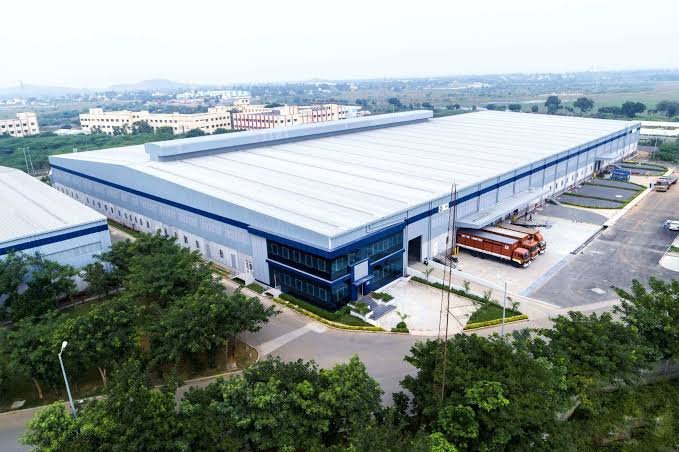
KIADB Industrial Areas in and Around Bengaluru: A Complete Guide for Investors & Businesses
Connectivity • Infrastructure • Opportunity
Bengaluru is one of India’s leading destinations for manufacturing, technology, aerospace, logistics, engineering and industrial investments. The Karnataka Industrial Areas Development Board (KIADB) has played a major role in developing planned industrial areas around Bengaluru, creating opportunities for businesses looking for strategically located industrial land and facilities.
With excellent road and rail connectivity, proximity to Kempegowda International Airport, Bengaluru city, major highways and established industrial clusters, KIADB industrial areas continue to attract businesses across multiple sectors.
Major KIADB Industrial Areas Around Bengaluru
The following industrial locations form an important part of Bengaluru’s wider industrial ecosystem:
Industrial Area | Approx. Distance from Bengaluru CBD |
Peenya Industrial Area | 17 km |
Doddaballapur Industrial Area | 40 km |
Devanahalli Industrial Area | 28 km |
Aerospace Park | 25 km |
Hardware Park | 23 km |
Nelamangala Industrial Area | 35 km |
Dobbaspet Industrial Area | 45 km |
Hoskote Industrial Area | 32 km |
Whitefield Industrial Area | 20 km |
Malur Industrial Area | 45 km |
Bommasandra Industrial Area | 25 km |
Electronic City | 23 km |
Jigani Industrial Area | 35 km |
Attibele Industrial Area | 30 km |
Harohalli Industrial Area | 40 km |
Bidadi Industrial Area | 45 km |
Kumbalgodu Industrial Area | 32 km |
Distances are approximate and can vary depending on the exact location and route.
Why KIADB Industrial Areas Are Attractive for Investment
- Strategic Connectivity
One of the biggest advantages of industrial locations around Bengaluru is their connectivity to major highways and transportation networks.
Important corridors include:
- NH 44– Bengaluru–Hyderabad corridor
- NH 48– Bengaluru–Mumbai corridor
- NH 75– Bengaluru–Mangaluru corridor
- NH 648 / Satellite Town Ring Road (STRR)
- Major state highways connecting industrial clusters
- Bengaluru Metro and suburban/railway connectivity in several corridors
This network provides businesses with easier access to suppliers, employees, customers, warehouses and markets.
- Proximity to Kempegowda International Airport
The northern industrial belt, particularly Devanahalli, Aerospace Park and Hardware Park, benefits from proximity to Kempegowda International Airport.
This is particularly advantageous for:
- Aerospace companies
- Electronics manufacturers
- Export-oriented businesses
- Logistics companies
- Global enterprises
- High-value manufacturing
- Strong Industrial Ecosystem
Several industrial clusters around Bengaluru have developed into established business ecosystems.
Companies can benefit from proximity to:
- Manufacturing units
- Engineering companies
- Warehouses and logistics facilities
- IT and technology companies
- Ancillary industries
- Skilled workforce
- Vendors and suppliers
- Commercial and residential developments
This creates a strong environment for both new businesses and expansion projects.
Bengaluru’s Key Industrial Investment Corridors
North Bengaluru – Devanahalli & Aerospace Corridor
The Devanahalli–Doddaballapur belt has emerged as one of Bengaluru’s important industrial and infrastructure growth corridors.
The region includes:
- Devanahalli Industrial Area
- Aerospace Park
- Hardware Park
- Doddaballapur Industrial Area
Its major strengths include airport connectivity, highway access and the presence of aerospace, electronics, engineering and manufacturing activities.
Suitable for: Aerospace, electronics, engineering, logistics, warehousing and export-oriented businesses.
East Bengaluru – Hoskote, Whitefield & Malur Corridor
The eastern belt connects Bengaluru with major industrial and technology hubs.
Key locations include:
- Whitefield Industrial Area
- Hoskote Industrial Area
- Malur Industrial Area
The region benefits from access to Bengaluru’s eastern employment centres and major road corridors towards Kolar and other industrial destinations.
Suitable for: Warehousing, logistics, manufacturing, engineering, industrial support services and commercial development.
South Bengaluru – Bommasandra, Electronic City & Jigani
South Bengaluru is one of the city’s most established industrial and employment corridors.
Major locations include:
- Bommasandra Industrial Area
- Electronic City
- Jigani Industrial Area
- Attibele Industrial Area
The corridor benefits from proximity to major IT and industrial employment centres and established residential infrastructure.
Suitable for: Manufacturing, engineering, electronics, logistics, industrial sheds, warehouses and ancillary industries.
West Bengaluru – Peenya, Nelamangala, Bidadi & Kumbalgodu
The western corridor provides strong connectivity towards Tumakuru and Mysuru.
Important industrial locations include:
- Peenya Industrial Area
- Nelamangala Industrial Area
- Dobbaspet Industrial Area
- Bidadi Industrial Area
- Kumbalgodu Industrial Area
These areas are strategically positioned along important highway and logistics corridors.
Suitable for: Heavy and light manufacturing, engineering, logistics, warehouses and industrial support businesses.
Connectivity Advantage
The infographic highlights Bengaluru’s connectivity through multiple transportation networks.
Major Road Connectivity
NH 44: Bengaluru–Hyderabad
NH 48: Bengaluru–Mumbai
NH 75: Bengaluru–Mangaluru
NH 648: Satellite Town Ring Road corridor
Rail Connectivity
Major railway infrastructure around Bengaluru provides additional connectivity for employees, businesses and movement of goods.
Metro Connectivity
Bengaluru’s expanding Metro network is improving accessibility to several employment and industrial corridors, making surrounding locations increasingly attractive for businesses and workforce requirements.
Satellite Town Ring Road – STRR
The Satellite Town Ring Road (STRR) is strategically important for connecting industrial towns around Bengaluru while helping facilitate movement between peripheral industrial clusters without depending entirely on the central city.
What Makes KIADB Land Different?
KIADB-developed industrial areas are planned specifically to support industrial and commercial activity. Depending on the particular industrial area and allotted property, investors may benefit from planned infrastructure and an established industrial ecosystem.
For businesses, the key considerations include:
Location → Connectivity → Infrastructure → Workforce → Market Access → Future Growth
A property with good connectivity and proximity to established industrial clusters can provide significant operational advantages over isolated industrial land.
Industries That Can Benefit
KIADB industrial locations around Bengaluru can be considered for a wide range of business activities, subject to the applicable land-use and allotment conditions.
Manufacturing
Engineering, automobile components, machinery, electrical and electronics manufacturing.
Aerospace & Defence
Particularly relevant to the Devanahalli and aerospace ecosystem.
Electronics & Technology
Electronics manufacturing, hardware and technology-related industries.
Logistics & Warehousing
Strategic locations along highway corridors can support distribution and storage operations.
IT & Commercial
Selected locations may support offices, technology-related activities and allied commercial requirements subject to applicable regulations.
Industrial Support Services
Ancillary manufacturing, maintenance, packaging, fabrication and other support businesses.
Key Advantages of Investing in Bengaluru’s Industrial Corridors
- Strategic location around Bengaluru
- Access to major national highways
- Proximity to established industrial clusters
- Access to skilled and semi-skilled workforce
- Strong manufacturing ecosystem
- Proximity to Bengaluru’s large consumer and business market
- Airport and railway connectivity
- Growing peripheral infrastructure
- Potential for long-term industrial and commercial growth
Choosing the Right KIADB Location
Not every industrial area is suitable for every business. The right location should be selected based on the company’s operational requirements.
Before investing, evaluate:
Location
How close is the property to suppliers, customers, employees and major markets?
Connectivity
Check highway, airport, railway and major road accessibility.
Industrial Compatibility
Verify whether the proposed business activity is permitted on the particular property.
Infrastructure
Assess road access, power availability, water supply, drainage and other infrastructure.
Title & Documentation
Carry out proper legal due diligence and verify allotment documents, title, encumbrances and applicable KIADB conditions.
Future Development
Consider upcoming roads, infrastructure projects, surrounding developments and the potential for industrial ecosystem expansion.
KIADB Investment – Think Beyond the Land
Industrial property investment is not simply about purchasing land. The right location can influence operating costs, logistics efficiency, workforce availability, business expansion and long-term asset value.
Bengaluru’s expanding industrial belt offers multiple options across North, South, East and West Bengaluru.
From Peenya and Nelamangala in the west to Devanahalli in the north, Hoskote and Malur in the east, and Bommasandra, Electronic City and Jigani in the south, investors have a wide range of industrial corridors to evaluate.
The ideal choice depends on the nature of the business, required land area, connectivity requirements, budget and long-term growth strategy.
Looking for KIADB Industrial Land in Bengaluru?
At Assetz99, we assist clients in identifying suitable industrial and commercial properties based on their business requirements.
Our services can include:
- KIADB industrial land identification
- Industrial property consulting
- Commercial property advisory
- Investment advisory
- Property due diligence
- Registration assistance
- Khata and statutory approval assistance
- End-to-end property transaction support
Value | Trust | Growth
Assetz99 – Real Estate Consulting
Note: Distances and connectivity information shown in the accompanying infographic are approximate. Investors should independently verify the latest KIADB allotment conditions, zoning, infrastructure availability, approvals and applicable regulations before making an investment decision.