
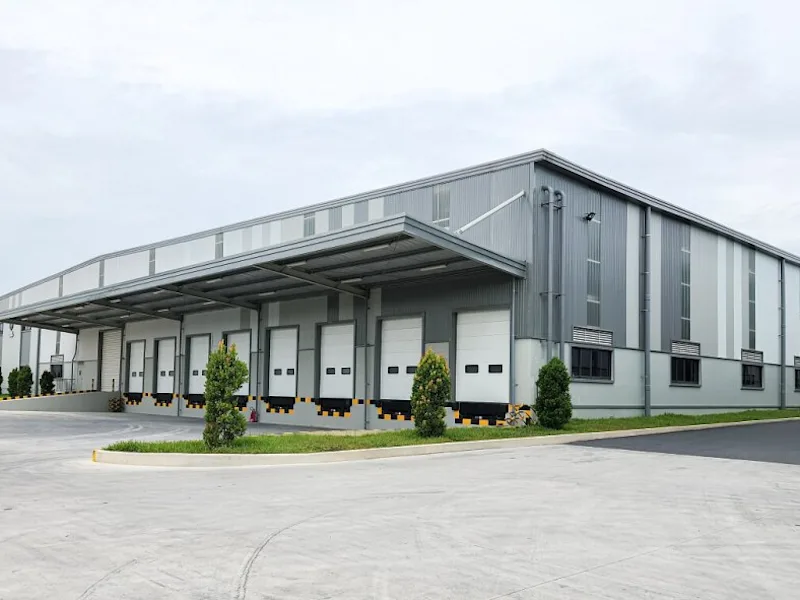
KIADB Land Allotment Process in Karnataka: A Step-by-Step Guide for Industrial Investors
Your Journey to Industrial Growth with KIADB
Setting up an industrial project in Karnataka requires careful planning, suitable land, statutory approvals and compliance with government procedures. The Karnataka Industrial Areas Development Board (KIADB) plays an important role in facilitating industrial land for eligible businesses and investors.
For companies looking to establish manufacturing units, warehouses, logistics facilities, technology centres or other industrial projects, understanding the KIADB land allotment process can make the journey more structured and transparent.
Here is a step-by-step overview of the typical KIADB land allotment journey.
- Identify Your Industrial Land Requirement
The first step is to clearly define your project requirements.
Important factors include:
- Preferred industrial location
- Required land area
- Proposed investment
- Power requirement
- Water requirement
- Nature of industrial activity
- Proposed employment generation
- Infrastructure and connectivity requirements
Choosing the right industrial area is critical because location can directly influence logistics, manpower availability, transportation costs and long-term business growth.
- Register on the Karnataka Single Window System
Once the project requirements are identified, the applicant can proceed through the Karnataka Single Window System (SWS).
The applicant submits the Common Application Form (CAF) along with the necessary project information.
The Single Window System is designed to streamline various approvals and reduce procedural complexity for investors establishing businesses in Karnataka.
- Upload the Required Documents
The applicant must provide the required company, project and financial information.
Commonly required documents and details may include:
- Company registration documents
- Detailed project report
- DPR and financial information
- PAN/GST details
- KYC documents
- Proposed investment details
- Employment generation details
- Project and promoter information
The exact documentation requirements can vary depending on the nature and size of the proposed project.
- Select the Preferred KIADB Industrial Area and Plot
After identifying the project requirements, investors can select their preferred KIADB industrial area and suitable plot, subject to availability and applicable eligibility criteria.
Factors to consider while selecting a plot include:
- Connectivity to highways
- Proximity to major cities
- Availability of skilled manpower
- Power and water infrastructure
- Proximity to suppliers and customers
- Logistics connectivity
- Airport, railway and port access
- Future industrial development potential
A strategic location can significantly improve the long-term operational efficiency of an industrial project.
- Application Scrutiny by KIADB
The submitted application and supporting documents are scrutinised by the concerned authorities.
The scrutiny process generally examines the applicant’s:
- Project proposal
- Financial capability
- Proposed investment
- Industrial activity
- Land requirement
- Employment potential
- Technical and commercial feasibility
- Compliance with applicable requirements
Applicants should ensure that the information submitted is accurate, complete and consistent across all documents.
- Rectification and Re-Submission, If Required
If the application contains incomplete information or documents, the applicant may be required to rectify the deficiencies and re-submit the required information.
This stage highlights the importance of preparing the application correctly from the beginning.
A professional review of documentation before submission can help reduce unnecessary delays.
- Technical Evaluation
The project may then undergo technical evaluation based on factors such as:
- Project feasibility
- Land requirement
- Proposed industrial activity
- Infrastructure requirements
- Investment potential
- Land utilisation
- Employment generation
- Availability and suitability of the proposed industrial plot
The objective is to assess whether the proposed project is technically and commercially suitable for the industrial land being considered.
- Approval by the Competent Committee
After the relevant evaluation, the proposal is placed before the competent committee/authority, as applicable.
The approval mechanism may depend on the project characteristics, investment size, location and prevailing KIADB policies and procedures.
Investors should therefore verify the applicable approval requirements for their specific project.
- Demand Letter Issued
Once the proposal receives the necessary approval, a Demand Letter may be issued specifying the applicable financial obligations and payment requirements.
The applicant should carefully review the demand letter and comply with the specified conditions within the prescribed timeline.
- Payment of Initial Deposit
The applicant is required to make the applicable initial payment/deposit as specified by KIADB.
Timely payment is important to proceed to the subsequent stages of the allotment process.
Investors should maintain proper records of all payments and official communications.
- Allotment Letter Issued
Following fulfilment of the applicable payment and procedural requirements, the Allotment Letter is issued.
The allotment letter provides important details relating to the allotted industrial plot and applicable conditions.
The applicant should carefully review all terms and conditions before proceeding further.
- Execution of Lease-Cum-Sale Agreement
The next stage generally involves execution of the applicable Lease-Cum-Sale Agreement between KIADB and the allottee.
This agreement establishes the rights, responsibilities and conditions governing the use and development of the allotted industrial property.
Investors should obtain appropriate legal advice before executing important property-related agreements.
- Taking Physical Possession of the Plot
After completing the required formalities, the allottee can proceed towards taking physical possession of the allotted plot as per the applicable KIADB procedure.
At this stage, it is advisable to verify:
- Plot boundaries
- Site dimensions
- Access road
- Physical condition of the site
- Existing infrastructure
- Utility availability
- Site-related documentation
Proper site verification helps avoid potential issues during the construction stage.
- Building Plan Approval and Statutory Clearances
Before commencing construction, the investor needs to obtain the applicable building plan approvals and statutory clearances.
Depending on the project, this may involve approvals relating to:
- Building plans
- Fire safety
- Environment
- Pollution control
- Factory-related permissions
- Power connection
- Water and drainage
- Local planning requirements
- Other applicable statutory approvals
The exact approvals depend on the nature, scale and location of the industrial project.
- Construction and Commencement of Industry
Once the necessary approvals and clearances are obtained, construction of the industrial facility can begin.
The project may include:
- Manufacturing facilities
- Industrial sheds
- Warehouses
- Logistics centres
- Corporate offices
- Research and development facilities
- Processing units
- Other approved industrial infrastructure
Effective project management at this stage is essential to control construction costs and meet the planned project timeline.
- Compliance Monitoring by KIADB
After allotment and during the development of the property, compliance with applicable KIADB conditions becomes important.
The allottee may need to demonstrate that the land is being developed and utilised in accordance with the approved project and applicable conditions.
Maintaining proper records of construction, operations, approvals and statutory compliance can help during inspections and future transactions.
- Fulfilment of Lease Conditions
The investor must fulfil the applicable conditions specified under the lease-cum-sale arrangement and KIADB regulations.
This may include meeting development, construction, operational or other project-related obligations within the stipulated period.
Failure to comply with applicable conditions may have legal or financial consequences, so investors should monitor compliance carefully.
- Execution of Absolute Sale Deed
After fulfilment of the applicable lease conditions and KIADB requirements, the process can ultimately move towards execution of the Absolute Sale Deed, subject to the applicable rules and approvals.
This represents an important milestone in the investor’s industrial property journey.
Why Choose KIADB Industrial Land?
KIADB industrial areas offer investors an opportunity to establish businesses within planned industrial locations supported by industrial infrastructure.
Depending on the location, advantages may include:
Strategic Connectivity
Many industrial areas in Karnataka are strategically connected to highways, airports, railway networks, major cities and logistics corridors.
Industrial Ecosystem
Established industrial clusters can provide access to suppliers, customers, logistics providers, skilled manpower and supporting industries.
Infrastructure
Planned industrial areas can offer access to essential infrastructure such as roads, power, water and other industrial utilities, subject to availability and location-specific provisions.
Long-Term Growth Potential
Industrial corridors around Bengaluru and other major Karnataka locations continue to attract manufacturing, logistics, technology and supporting businesses.
Key Considerations Before Applying for KIADB Land
Investors should not select industrial land based solely on the plot price. A detailed assessment should include:
- Location suitability
- Industrial zoning and permitted activity
- Land requirement
- Power and water availability
- Road and logistics connectivity
- Project investment capacity
- Employment generation potential
- Statutory approval requirements
- Development timelines
- KIADB terms and conditions
- Future expansion possibilities
- Legal and technical due diligence
How a Professional Industrial Property Consultant Can Help
The KIADB land allotment process involves multiple stages, documentation requirements, evaluations, approvals and compliance obligations.
An experienced industrial property consultant can assist investors with:
- Identifying suitable KIADB industrial areas
- Understanding land availability and project suitability
- Evaluating location and connectivity
- Preparing project-related documentation
- Coordinating application requirements
- Conducting property due diligence
- Understanding allotment terms
- Supporting documentation and registration processes
- Coordinating with relevant stakeholders
- Assisting with post-allotment requirements
Professional guidance can help investors make informed decisions and reduce avoidable procedural challenges.
Conclusion
Acquiring KIADB industrial land is not simply a land purchase—it is the beginning of an industrial development journey.
From identifying the right industrial location and submitting the application to obtaining approvals, taking possession, developing the facility and ultimately fulfilling lease conditions, every stage requires careful planning and compliance.
For businesses planning to establish or expand their industrial operations in Karnataka, understanding the KIADB land allotment process can help them prepare better, evaluate opportunities effectively and plan their investment with greater confidence.
Assetz99 can assist investors in identifying suitable industrial properties and navigating the industrial real estate journey—from property identification and due diligence to documentation, registration and post-registration support.
Planning to Invest in KIADB Industrial Land?
Connect with Assetz99 for assistance in identifying suitable industrial land opportunities across Karnataka and evaluating the right location for your project.
Note: KIADB procedures, eligibility criteria, documentation, fees, approval mechanisms and timelines may change from time to time and can vary depending on the project and location. Investors should verify the latest requirements with KIADB and the concerned authorities before making an investment or submitting an application.